
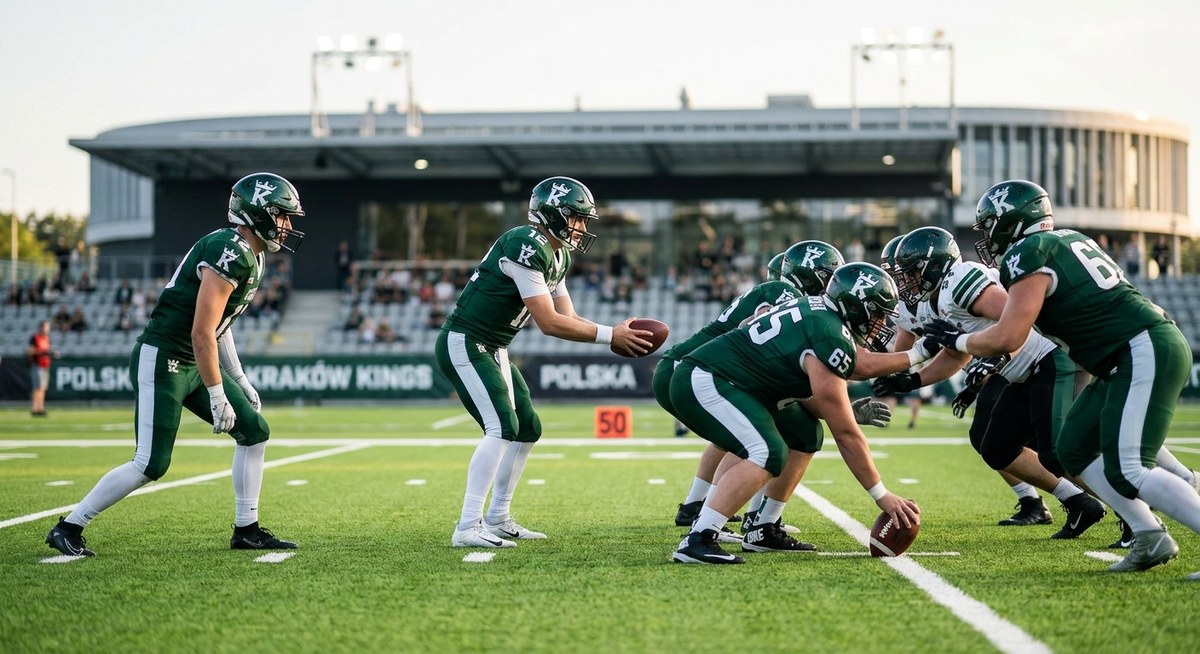
American football is a game of inches and minutes. The most successful teams do not rely on a single trick play or a one size fits all game plan. They build a coherent system that scales from the youth level to college and beyond. For fans of the Krakow Kings and Polish football communities, understanding the core strategies behind winning teams can elevate both watching and participating in the sport. In this guide, we will break down the most important strategies in football, covering offense, defense, special teams, and the practical routines that turn theory into reliable performance. Whether you are a player, coach, or enthusiastic supporter, this overview aims to give you clear, actionable insights you can apply on the field and in your preparation.
Offensive strategy foundations
Football begins with the offense. A sound offensive strategy aligns play design, tempo, and execution with the players you have and the opponent you face. Here are the pillars that hold a successful offensive plan.
Offensive philosophy
- Define an identity: every team should have a clear style, whether it is a powerful run game, a fast tempo spread attack, or a balanced approach that can pivot to opponent weaknesses.
- Build around your quarterback: the quarterback is the decision maker and primary facilitator of the offense. Your plays should maximize the quarterback’s strengths and minimize weaknesses.
- Embrace efficiency: prioritize high quality scoring opportunities with purpose and minimize negative plays such as sacks and turnovers.
- Adapt to the opponent: good game plans adjust to how the defense fronts, covers, and reacts to rhythm and motion.
Formations and concepts
- Formations matter, but the concept is king: use alignments that suit your players but focus on the concept such as power read, zone run, or play action.
- Spreading the field: using 11 personnel (one back, one tight end, and three wide receivers) typically creates space for your playmakers and simplifies reads for the quarterback.
- Motion and shifts: pre snap movement can force defenses to reveal their coverage and blitz concepts, and it can create favorable matchups for your routes or running lanes.
- Run concepts: inside zone, outside zone, power, gap schemes, and counter plays create variety and prevent defenses from simply stacking the box.
- Pass concepts: quick passes, play action, and designed shots downfield all rely on timing and route chemistry. Crossing routes, reads vs zone, and match concepts are essential tools.
Run game essentials
- Zone blocking versus man blocking: zone schemes emphasize creating running lanes through cutbacks and reading flow, while man schemes rely on the blocker defeating a defender one on one with technique.
- The starter set matters: a strong run game starts with solid line play and a back who understands reads, vision, and patience.
- Control the line of scrimmage: a successful run game bites into the defense’s ability to defend the entire field and keeps tempo favorable.
- Short yardage and goal line: tailor short yardage plays to leverage blocking angles, quarterback sneak options, or powerful back runs.
Pass game fundamentals
- Quick game as a foundation: high percentage throws can move the chains and set up play action without exposing the quarterback to constant contact.
- Deep shots with purpose: when you take a deep shot, ensure you have the separation, route timing, and protected protection to maximize success.
- Route combinations: use heat and deception in routes (stutter steps, double moves, and layered routes) to create open windows.
- Protection schemes: slide protections, help from tight ends, and hot reads against blitzes reduce the risk of sacks and interceptions.
Offensive roles and responsibilities
- Quarterback: decision maker, leader, and distributor. The QB should read the defense efficiently and manage the speed and rhythm of the offense.
- Running back: vision, contact balance, and exit velocity for routes; a versatile back can be a threat in both the run and pass game.
- Receivers: route precision, catching ability, and blocking in the running game. Communication with the QB is essential.
- Offensive line: protect the passer and create lanes. Technique and communication are the foundation of success.
Play design and installation process
- Start with basics: install core plays that the players can execute under pressure.
- Build the playbook progressively: add layers as players learn the initial concepts.
- Use film to refine: analyze game tape to identify both success and failure points, then adjust the installation.
- Practice with intention: drils should mimic in game tempo and decision making.
Practice, conditioning, and injury prevention
- Conditioning matters: football requires explosive power, speed, and endurance. A structured conditioning plan reduces injury risk and improves performance.
- Mobility first: include dynamic warm ups and mobility work to keep joints healthy.
- Recovery and rest: incorporate proper recovery protocols, sleep, and nutrition to sustain performance over a season.
Defensive strategy essentials
Defense wins championships by limiting big plays, forcing turnovers, and applying pressure in the right moments. A well rounded defensive plan adapts to the opponent and the game situation.
Core defensive goals
- Eliminate big plays: force offenses to string together longer drives rather than hitting in a few big plays.
- Match speed with precision: faster defenses should not overshoot gaps or lose sight of assignments.
- Create negative plays: tackles behind the line of scrimmage, sacks, and tackles for loss disrupt rhythm and force mistakes.
- Control the tempo of the game: the defense influences field position and keeps the offense off rhythm.
Schemes and alignments
- Base formations: 4-3, 3-4, and nickel packages give your defense options against different offenses.
- Gap control and discipline: defenders must maintain their leverage and ensure there are no free runners through the seams.
- Zone coverage versus man coverage: mix zones and man coverage to confuse the quarterback and limit predictable throws.
- Blitz packages: pressure is not just about numbers but about disguise and timing. Use delayed blitzes, corner routes, and safety blitzes strategically.
Run defense versus pass defense
- Read and react: the defense should read the play and react quickly to the flow of the ball.
- Fits and angles: players must know their run fit and take proper angles to minimize yards after contact.
- Tackling technique: fundamental tackle mechanics reduce the risk of broken tackles and injuries.
Defending the pass
- Coverage shells: use combinations such as cover 2, cover 3, and man coverage with safety help to defend different route concepts.
- Communication: defenders must communicate to avoid miscommunications that lead to big plays.
- Disguise and anticipation: show looks that mislead the quarterback before the snap.
Special defensive roles
- Linebackers: both run support and pass coverage responsibilities depend on the scheme.
- Defensive backs: the corners and safeties must be able to handle press, off man, and zone responsibilities.
- Defensive line: controlling the line of scrimmage and generating pressure without leaving gaps behind is critical.
Special teams strategy
Special teams can swing results by controlling field position and converting critical opportunities.
- Kickoffs and coverage: aim for good hang time, radius control, and fast coverage to reduce opponent return yards.
- Punting strategy: place the ball inside the opponent’s 20 yard line when possible, and cover aggressively to limit returns.
- Field goals and extra points: reliable long range kicking adds a valuable scoring option during games.
- Return games: return units should have blocks and return lanes well practiced to maximize returns without taking unnecessary risks.
Game day strategy and management
Game day decisions often decide close games. The best teams remain disciplined, adapt to the opponent, and stay composed.
- Tempo management: control the pace to match the game situation and kicker or quarterback strengths.
- Situational awareness: understand the down, distance, field position, and clock to make informed calls.
- Timeout usage: protect flags and manage the clock efficiently, especially in late game scenarios.
- Use of analytics and scouting: rely on opponent tendencies and game film to decide when to push tempo or slow down.
Player development and training culture
A strong development culture underpins every successful team. Here is how to build and sustain progress.
- Individual development plans: set measurable goals for each player, track progress, and adjust plans as needed.
- Strength and conditioning blocks: blend power, speed, and mobility training with sport-specific drills.
- Skill development: route running, catching technique, blocking technique, and tackling form require regular focused practice.
- Mental preparation: film study, playbook knowledge, and clear communication are critical mental aspects.
Scouting and game planning
A thorough scouting and planning process helps a team anticipate opponents and prepare effective game plans.
- Tape study: study opponent tendencies, alignments, and tendencies on 3 and 4 plays.
- Opponent data: gather data on starters, rotations, and injury status to inform matching and potential mismatches.
- Weekly game plan: develop a plan that leverages your strengths against the opponent’s weaknesses, with clear, executable plays for each phase of the game.
Polish context: strategies for Krakow Kings
As a Polish football community, Krakow Kings can benefit from a tailored approach that respects local resources and builds a vibrant training culture.
- Embrace local talent and international knowledge: combine Polish players with experienced coaches and import knowledge from abroad to accelerate growth.
- Create a robust practice schedule: maintain regular practice cadence, with film sessions, conditioning, and tactical drills.
- Focus on fundamentals: emphasize tackling technique, ball security, route discipline, and blocking mechanics.
- Build a mentorship ladder: pair younger players with veterans, enabling knowledge transfer and leadership development.
- Foster community and fan engagement: create accessible content about practice routines, player stories, and behind the scenes to grow the fan base.
Building an effective practice plan for Krakow Kings
- Week structure: allocate specific days for install, film review, conditioning, and scrimmage.
- Drills that translate to games: select drills that replicate in game situations (red zone, two minute drill, goal line stands).
- Player-led sessions: encourage peer coaching to reinforce learning and build leadership.
- Injury prevention focus: incorporate mobility screens and prehab routines into every session.
Case studies and practical examples
- Case study 1: Play action against a cover 2 defense
- Setup: three receivers spaced wide to stretch the defense, a fake handoff to the running back.
- Outcome: the quarterback targets a seam route behind the deep safety if defenders bite on the run action.
-
Lesson: attention to route timing and protection adjustments makes play action effective.
-
Case study 2: Read option and quarterback decision making
- Setup: a quarterback reads the unblocked defender on the edge.
- Outcome: a quick decision leads to a gain either on the quarterback run or a handoff to the back.
-
Lesson: the read option can create a numbers advantage but requires practice and trust between quarterback and running back.
-
Case study 3: Zone run against an aggressive defensive front
- Setup: multiple zone blocks but with a back reading the flow.
- Outcome: the back finds daylight through seams and cutbacks.
-
Lesson: patience and vision are essential parts of zone blocking.
-
Case study 4: Cover 3 defense and a deep crossing route
- Setup: the defense splits deep zones with a safety high.
- Outcome: a deep crossing route can exploit the void between levels if the quarterback times it well.
- Lesson: route structure and quarterback timing are critical to beating coverage.
Tools, resources, and recommended practices
- Film and software: use accessible film study tools and cutting edge analytics to review and annotate plays.
- Practice scheduling: create consistent routines that balance drill work, speed training, and mental preparation.
- Equipment and gear: invest in quality protective gear, jerseys, and practice aids to support safety and performance.
- Community resources: collaborate with other clubs, colleges, and players to share knowledge and practice facilities.
Building a long term strategy for players and coaches
- Start with goals: define clear performance and teamwork goals for the season.
- Create a bottom up approach: build from fundamentals up to complex execution to ensure consistency.
- Emphasize accountability: build a culture where every player and coach shows up prepared and contributes.
- Focus on growth: track improvements across fixtures and practice sessions, and adjust strategies as required.
- Celebrate progress: recognize small wins along the way to maintain motivation and investment.
Conclusion
Strategy is the backbone of any successful football program. By combining thoughtful offensive and defensive design, well executed special teams, disciplined game management, and a strong training culture, teams can push toward higher levels of performance. For Krakow Kings fans and Polish football enthusiasts, the path to success is built in the details: the installation of core concepts, the consistency of practice, and the willingness to adapt to opponents and to the changing conditions of the game.
If you want to dive deeper into any of these topics, stay tuned to Krakow Kings for ongoing coverage of tactics, history, and player development. We will share practical drills, weekly game plans, and interviews with coaches and players who are shaping the future of American football in Poland. Whether you are a player seeking to improve or a fan seeking better understanding, this guide serves as a practical compass to navigate the intricate world of American football strategy.
 Mateusz Kaminski